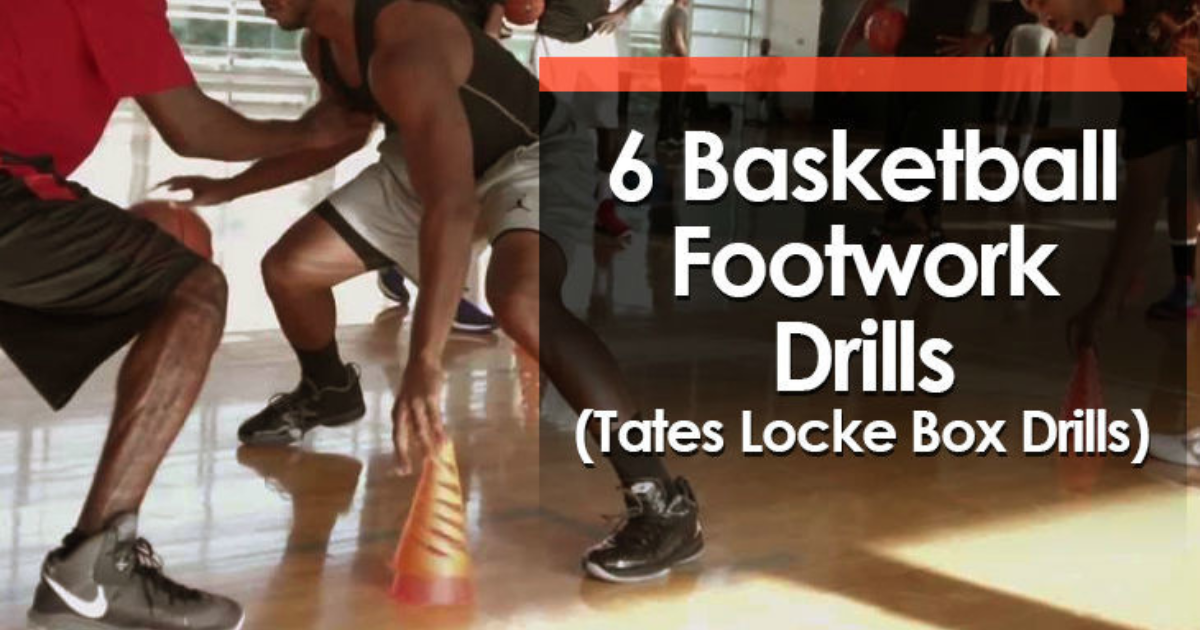
The establishment of solid gathering and footwork skills at young ages is one of the greatest predictors of sustained success in basketball. While athleticism can separate a player at a young age, it is control, balance, coordination, and the ability to efficiently move the ball that produces players who can grow into confident playmakers. For coaches, parents and trainers working with youth athletes, utilizing simple drills can make a world of difference. The following poses some foundational drills to build handles and footwork at the same time; efforts towards establishing habits in practice that will transfer to real game situations in the future.
1. Stationary Dribbling Series
Before players can be taught some advanced moves, they need to be comfortable controlling the ball in place. A ball control series of stationary dribbling exposes players to hand position, rhythmic movement and confidence.
How to do it:
- Pound dribble (30 seconds with the right hand)
- Pound dribble (30 seconds with the left hand)
- Low and quick dribbles (30 seconds left and right)
- High and controlled dribbles in a 90 degree angle wrist and shoulder
- Crossovers, front-to-back dribbling, side-to-side movement.
Why it works: These drills develop hand-eye coordination, while also getting players comfortable with the ball. They also condition a consistent dribble stance, with knees bent, chest up and eyes looking forward.
2. Cone Dribble Weave
Once players feel confident dribbling in a stationary position, it is time to add movement. A cone weave drill helps athletes learn how to change directions while protecting the ball.
How to do it:
- Set up 5-6 cones straight line and 3 feet apart.
- Players dribble through the cones using crossover, then repeat the drill using behind-the-back and between-the-leg (based off the athlete’s age and skill level).
Why it works:
Cone weave develops lateral footwork, timing, and to dribble moves without slowing down. Additionally, it reinforces proper body position when changing directions.
3. Figure-Eight Dribbling
This engaging, fast-paced drill aids players in developing quick hands and agile footwork.
How to do it:
- Stand with your feet shoulder-width apart.
- Continuously dribble the ball in a figure-eight pattern between your legs.
Why it works:
Players will need to bend their knees (stay low) and move the ball around their body effectively which are crucial skills when moving through traffic on the court.
4. Jump-Stop to Pivot Series
Footwork is just as important as dribbling! Correct pivots allow players to keep their balance, avoid defenders and create opportunities to pass or shoot.
To do it:
- Players jog forward and on command, jump-stop.
- From the jump-stop, then practice:
o Front pivot right/left
o Reverse pivot right/left
o Pivot into a pass or shot
Why it works:
This is dribbling reaction, body control, balance, and decision-making. Learning to pivot without traveling is a fundamental part of a skill that many young players have difficulty developing. This drills gets them to develop this type of ‘muscle memory’ idea.
5. 1-Dribble Attack Moves
By combining footwork with dribbling in one action, you teach players how to begin playing offense with intent.
How to do it:
- Players must begin at the wing or at the top of the key.
- Players will dribble once into some form of move- a jump-stop, euro step, or step-through- and finish with a layup or floater.
Why it works:
This drill mimics real game play movement. It forces players to put their feet, hips and hands together in an explosive movement.
6. Mirror Defense and Slide Drill
Good footwork is not just about offense. Defensive footwork is just as important.
How to do it:
– Have players work in pairs, with one being the leader and the other being the follower.
– The leader will go side-to-side as well as forward and backward while staying in a defensive stance.
– The follower will mirror your movements.
Why it works:
This creates quick feet, lateral mobility, and spatial awareness on the court. It also teaches players how to stay low and react to movement, which is an essential skill for being a good defender.
Conclusion
For basketball players, developing your ball-handling and footwork techniques when you are younger will build a skill base for all aspects of the game. These drills are straightforward to teach, need very little equipment, and can be done at home, in a driveway, or wherever practice is conducted. Through the consistent practice of the drills, young players will develop the coordination, confidence, and control to transition into multifaceted players.