How a Formula 1 car works
An F1 car is closer to an upside-down aeroplane wing than a road car. Here is what makes it fast.
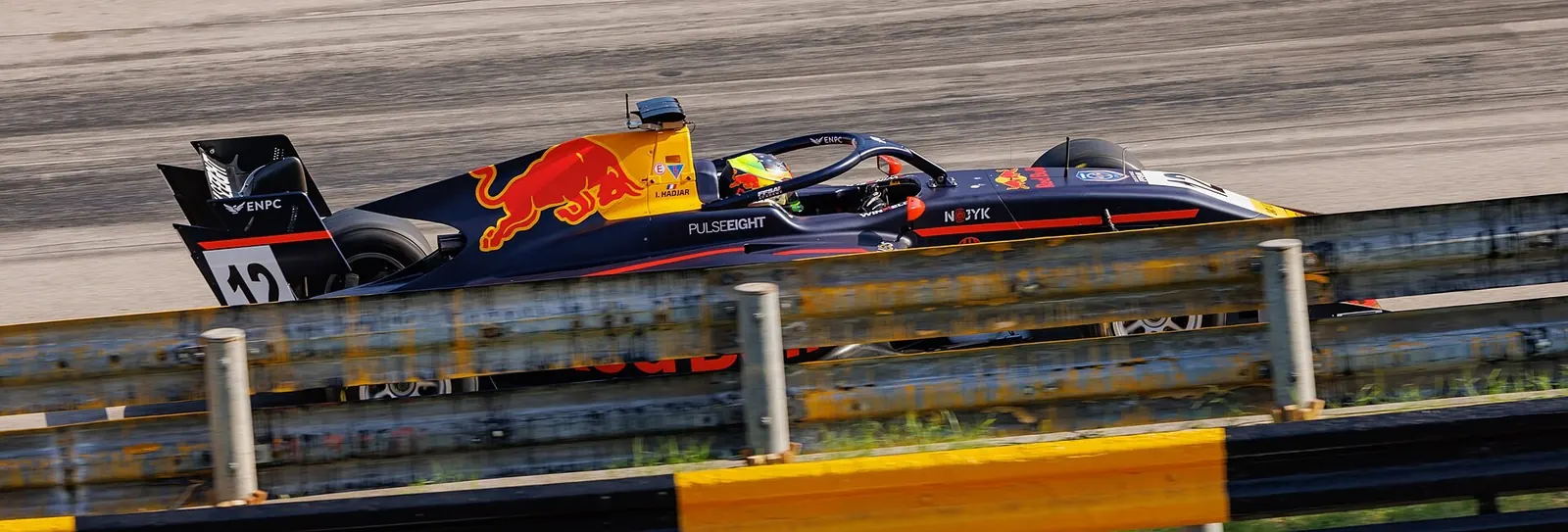
The power unit
Since 2014 F1 cars have used 1.6-litre V6 turbo engines combined with electric motors and a battery that recover energy under braking. They're among the most efficient engines ever built.
Downforce
The wings and floor push the car into the track. At high speed this downforce is greater than the car's own weight. Since 2022 the floor uses "ground effect" tunnels to generate much of it, which lets cars follow each other more closely.
Tyres
A single supplier provides tyres in several compounds: softer ones are faster but wear out quicker, which is why pit-stop strategy matters so much.
The 2026 rule change
For 2026 the cars are smaller and lighter, electric power provides roughly half of the total output, engines run on sustainable fuel, and movable wings adjust automatically between corners and straights. It is one of the biggest technical resets in the sport's history.